
FES
Functional Electrical Stimulation
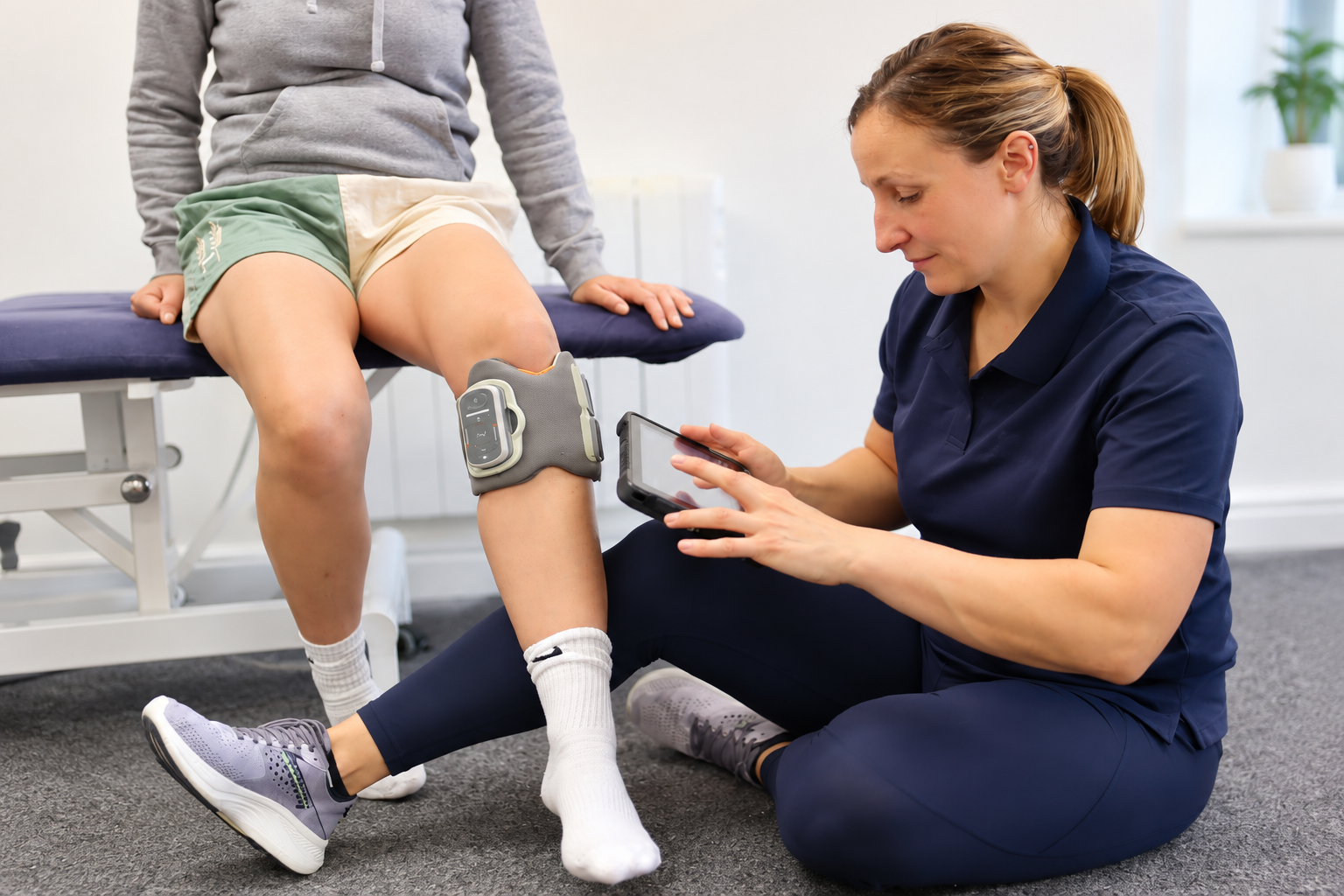
Functional Electrical Stimulation (FES) uses small electrical impulses to activate weakened or paralysed muscles and help restore functional movement. FES can be used for a variety of applications, including foot drop and walking difficulties, as well as upper-limb, arm and hand function. It may be suitable for people with neurological conditions such as stroke, multiple sclerosis, spinal cord injury, cerebral palsy and other conditions affecting muscle control. At Seven Orthotics, we provide individual FES assessments and personalised fitting, programming and support.
Who can Functional Electrical Stimulation help?
Functional Electrical Stimulation (FES) may help people who have difficulty activating or controlling their muscles due to a neurological condition or injury.
FES is often used to help people with foot drop and walking difficulties, but it can also be used to support upper-limb function, including movement of the arm, wrist and hand, where clinically appropriate.
FES may be considered for people with a range of neurological conditions, including:
Stroke
Multiple sclerosis (MS)
Cerebral palsy
Spinal cord injury
Acquired brain injury
Other neurological conditions affecting movement and muscle control
For people with foot drop, FES can help stimulate the muscles responsible for lifting the foot during walking. This can help improve foot clearance and support a more natural and efficient walking pattern.
FES can also be used as part of rehabilitation to support arm and hand movement. The targeted muscles, type of stimulation, and treatment approach will depend on the individual's condition, symptoms, and functional goals.
Is FES suitable for everyone?
FES isn't suitable for everyone. Whether it is appropriate depends on factors including the underlying condition, the nerves and muscles involved, the pattern of movement impairment and the individual's clinical needs.
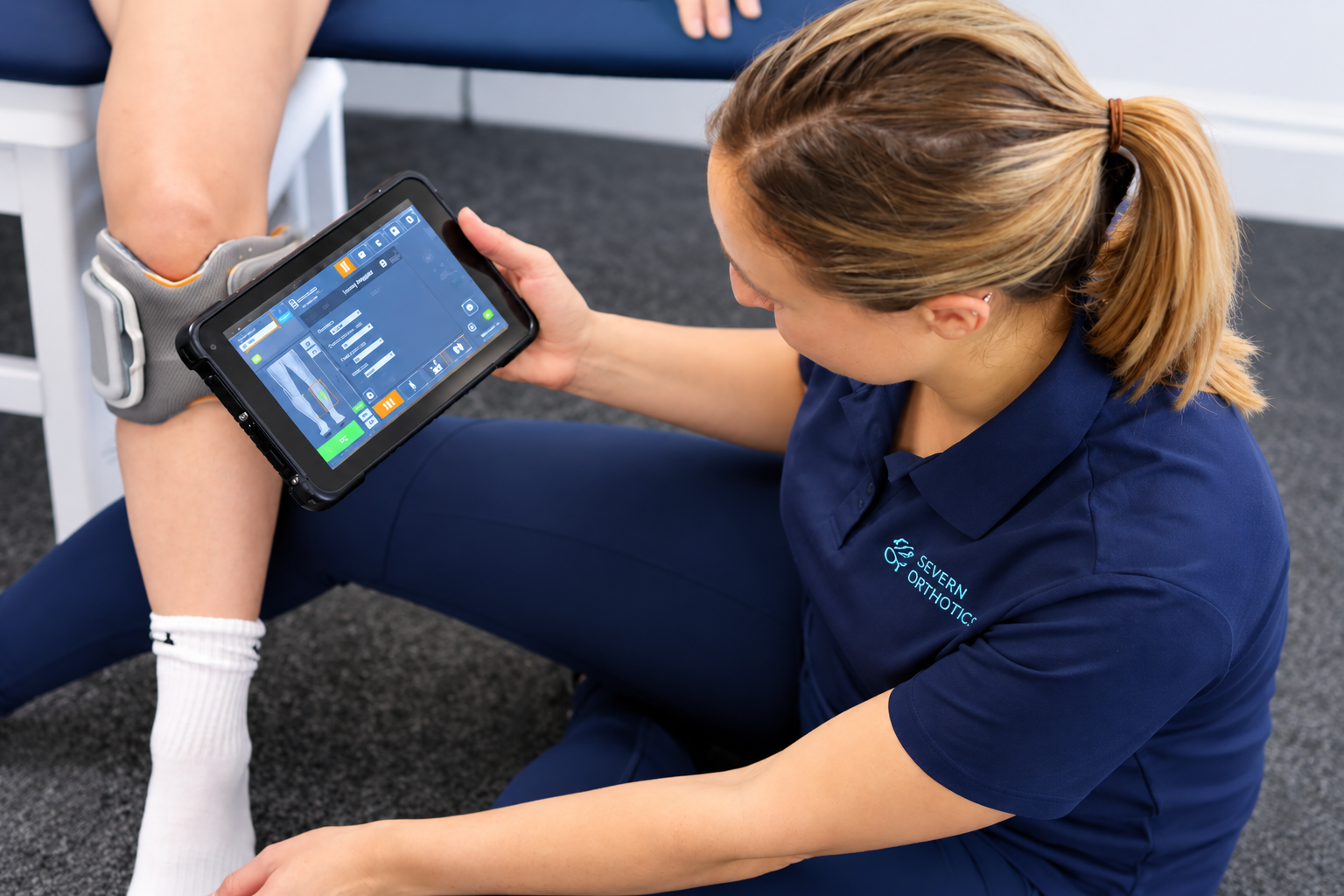
At Severn Orthotics, we provide an individual assessment to determine whether FES could be suitable for you. Our assessment allows us to understand your movement difficulties and identify the most appropriate FES solution for your needs.
If you are experiencing foot drop, difficulty walking, or reduced arm, wrist or hand movement following a neurological condition or injury, FES may be an option worth exploring.
Potential benefits of FES
-
FES can help activate muscles that are weak or difficult to control, supporting more purposeful movement.
-
For people with foot drop caused by certain neurological conditions, FES can stimulate the muscles involved in lifting the foot during walking. NHS guidance recognises electrical stimulation as one treatment option for foot drop, particularly following conditions such as stroke or MS.
-
Electrical stimulation may also form part of upper-limb rehabilitation for some people, helping them practise functional movements such as reaching, grasping and releasing. NICE recommends that, where appropriate after stroke, electrical stimulation should be guided by a qualified rehabilitation professional and continued where improvements in strength or functional task practice are seen
-
Unlike a conventional brace, FES can provide stimulation during the movement itself. The timing of stimulation can therefore be coordinated with a particular movement or activity.
-
For some people, improving functional movement can make everyday activities easier, such as walking, standing, reaching or using the affected limb.
-
FES is generally used as part of an individual's wider rehabilitation or orthotic management rather than as a stand-alone solution. NICE's stroke guidance describes electrical stimulation as a potential treatment option within rehabilitation.

We use the Ottobock L300 Go System
Frequently Asked Questions
-
Functional Electrical Stimulation (FES) uses small electrical impulses to stimulate nerves supplying weakened or paralysed muscles. The stimulation is carefully timed to help produce a functional movement, such as lifting the foot while walking.
-
FES has a number of applications. It is commonly used to help people with foot drop and walking difficulties, but electrical stimulation can also be used in some rehabilitation programmes to support arm, wrist and hand function.
-
Yes. FES can be used for certain types of foot drop, particularly where the problem originates from the central nervous system. It stimulates the nerves supplying the muscles that lift the foot, helping the foot to clear the ground during walking
-
Yes, in some circumstances. Electrical stimulation may be considered as part of rehabilitation for upper-limb weakness, particularly following neurological injury such as stroke. Whether it is appropriate depends on factors such as the person's muscle activity, movement and rehabilitation goals.
-
This varies considerably. Some people use FES as part of ongoing management, while others may use it during a period of rehabilitation. Your treatment plan will depend on your condition, goals and response to FES.
-
FES produces electrical impulses that cause the targeted muscles to contract. People experience the stimulation differently, and the intensity can be adjusted as part of the fitting and programming process. Your orthotist should discuss what you can expect during your assessment and trial.
Could FES be right for you?
If you have difficulty walking, foot drop, or problems using your arm or hand following a neurological condition or injury, Functional Electrical Stimulation may be an option worth exploring.
At Seven Orthotics, we can assess your individual needs and discuss whether FES could form part of your orthotic or rehabilitation plan.
Get in touch today to book a consultation